
Saudi Arabia’s Stock Market Goes Global
RIYADH – Saudi Arabia has fully opened its Tadawul stock exchange to foreign investors, marking a significant milestone in the Gulf region's evolution from a primary source of capital into a major destination for institutional investment. This strategic move intensifies the longstanding competition with the United Arab Emirates to become the Middle East's dominant financial hub.
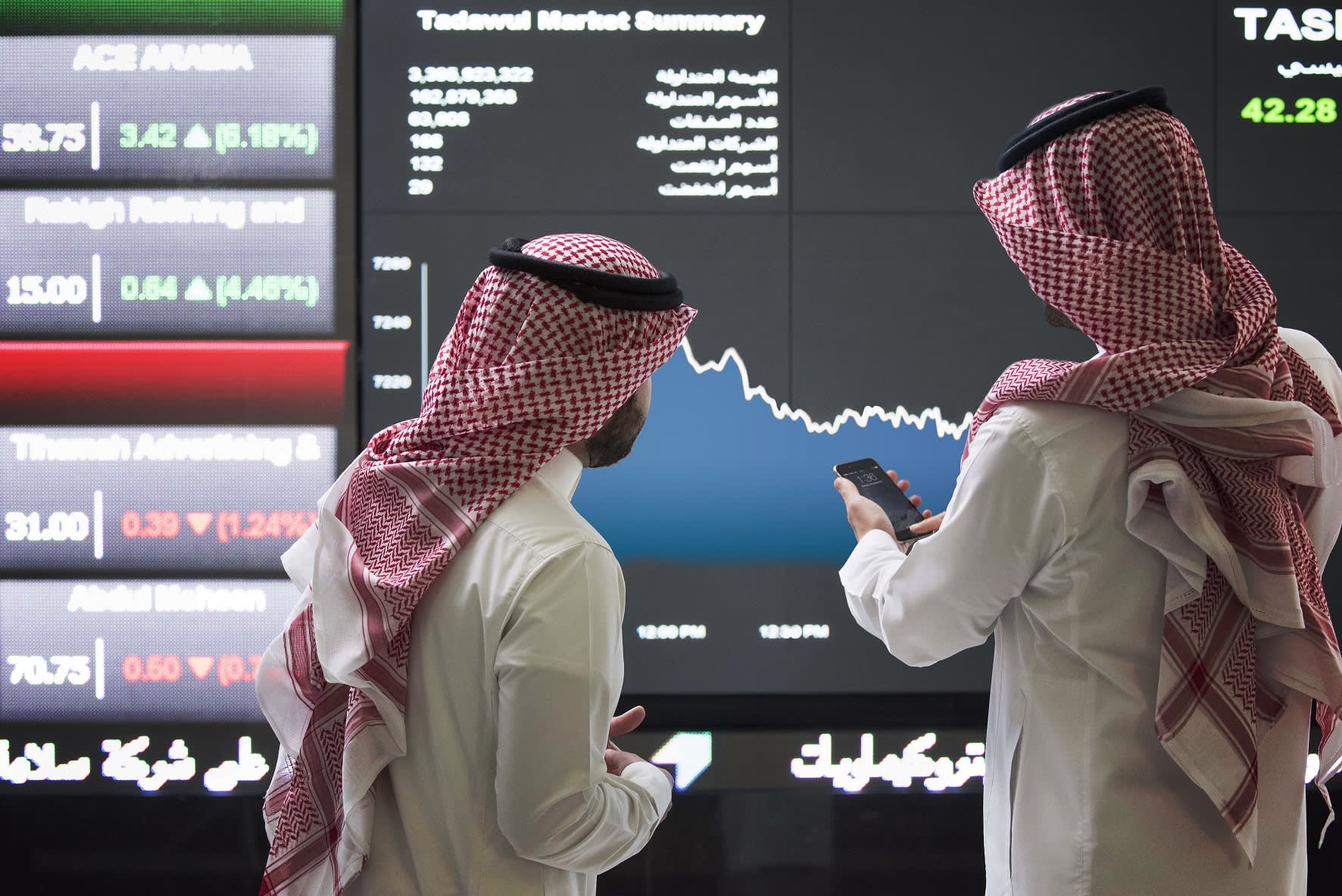
The decision represents a profound shift for a region whose capital markets were largely closed off just 15 years ago. Following market-liberalization measures that led to MSCI upgrading Saudi Arabia, the UAE, and Qatar to emerging-market status, the race for financial primacy has accelerated. The Tadawul, now the largest exchange in the Gulf Cooperation Council, has been a focal point of this growth, hosting over one hundred IPOs in the past three years.
However, the recently announced reforms, while symbolically important, are seen by analysts as measured. Key restrictions remain, including a 10% ownership cap on any single stock for individual foreign investors. The expected $10 billion in additional foreign capital is also considered marginal for a market valued at $2.7 trillion.
The true test of the market's appeal will now hinge on the quality and enforcement of its corporate-governance framework. Unlike the flexible "comply-or-explain" model used in many European markets, Saudi Arabia's Capital Market Authority (CMA) relies predominantly on mandatory rules. While this provides clarity, certain voluntary guidelines—such as those governing investor relations and executive pay transparency—are areas where practice often lags, with disclosure remaining limited.
Foreign institutional capital is expected to scrutinize these governance standards closely, having already begun to exert influence through votes on board diversity and related-party transactions. In contrast, local institutional investors have been less active in governance discussions.
Sustaining market growth and attracting dual listings from international companies will require the regulator to refine its approach. Experts suggest the CMA must engage in continuous dialogue with investors and corporate boards to align global expectations with local customs, ensuring the regime is both robust and practical for companies of all sizes.
The path forward involves calibrated adjustments rather than a complete overhaul. Stimulating both the supply of, and demand for, better governance information—potentially through a national stewardship code—will be critical. As the Tadawul integrates further into global finance, effective corporate governance will serve as the essential infrastructure ensuring that capital flows safely and efficiently, benefiting all market participants.
Recent
News



Newsletter
Subscribe to our mailing list to get the new updates!

Subscribe our newsletter to stay updated
Most
Reviews
Finance

Markets
Business

Markets

- Sun, 18 Jan 2026
USD/JPY declines below 158.00 as Japan signals intervention
Business

- Sun, 18 Jan 2026